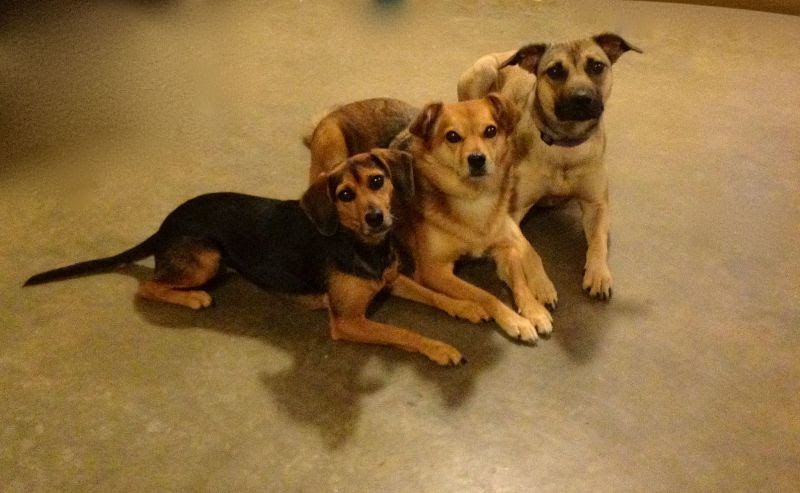
Basseterre, St. Kitts, April 7, 2022 (SKNIS): The Federation of St. Kitts and Nevis in its continued efforts to control the local dog population is encouraging its citizens and residents to license their dogs.
Chief Veterinary Officer in the Department of Agriculture, Dr. Lesroy Henry, during an interview with SKNIS on March 25, stated that “It has been a tradition for us to have our dogs licensed because dogs are supposed to be a part of our family and we are always supposed to have a check on how many dogs you have in the country.”
“Over the years this has slipped away from us and most people are not licensing their dogs but we are going to start that process again and in order for this to happen, your dog has to be microchipped,” said Dr. Henry.
“In other words, a numbering system is implanted in the dog’s skin and once that is done, your dog is categorized with respect to whether your dog is an intact dog meaning that the dog has its reproductive tract in place and it can produce, and one that is not intact or spayed, neutered or castrated that does not have its reproductive tract,” he said.
He added that based on these two categories, it would determine the price or how much the dog owners would have to pay to have their dog licensed.
“A dog that is intact would be 100 dollars and a dog that is not intact would be 15 dollars. The reason for this is that we are trying to encourage dog owners to have their dogs licensed or to have their dogs spayed so that we do not have a multiplication of dogs on the street and without owners,” said Dr. Henry.
He advised that it would be beneficial for people to have their dogs spayed because it would be more cost-beneficial to them.
Dr. Henry also spoke about the dangerous dogs saying that some dogs are not allowed entry into the Federation as according to their track records, they have caused lots of injuries not only to livestock but also to people.
“Therefore, if you are interested in bringing a dog to St. Kitts and Nevis, you have to come to the Department of Agriculture and apply for a permit to bring that dog here. We would see or we would make this judgment whether your dog is on the dangerous list or not,” Dr. Henry said.
The list of dangerous dogs includes the American bulldog, Cane Corso, Dogo Argentino, Fila Brasileiro, Japanese Tosa, Pitbull Terrier, Presa Canario and Staffordshire Terrier.
Thursday, September 10

Trending
- Director of Public Prosecutions v Shantrice Dorset
- ST. KITTS AND NEVIS RECEIVES THREE SOFAR BUOYS TO STRENGTHEN MARINE MONITORING AND COASTAL RESILIENCE
- MINISTER PHILLIP COMMENDS SKNYPA FOR COMMUNITY MURAL PROMOTING SUSTAINABILITY AND COLLECTIVE ACTION
- Vacancy: Senior Clerk, Ministry of Justice and Legal Affairs
- Statement by the Government of St. Kitts and Nevis on the 5th Anniversary of Africa-CARICOM Day
- Vacancy Notice: Clerk, Ministry of Justice and Legal Affairs
- “Learn Today; Lead Tomorrow”: Education Minister Sets The Tone For the 2026-2027 Academic Year
- Historic ‘Ancestral Echoes’ Commemoration Unites Nations in Solemn Reflection and Healing on 400th Anniversary