

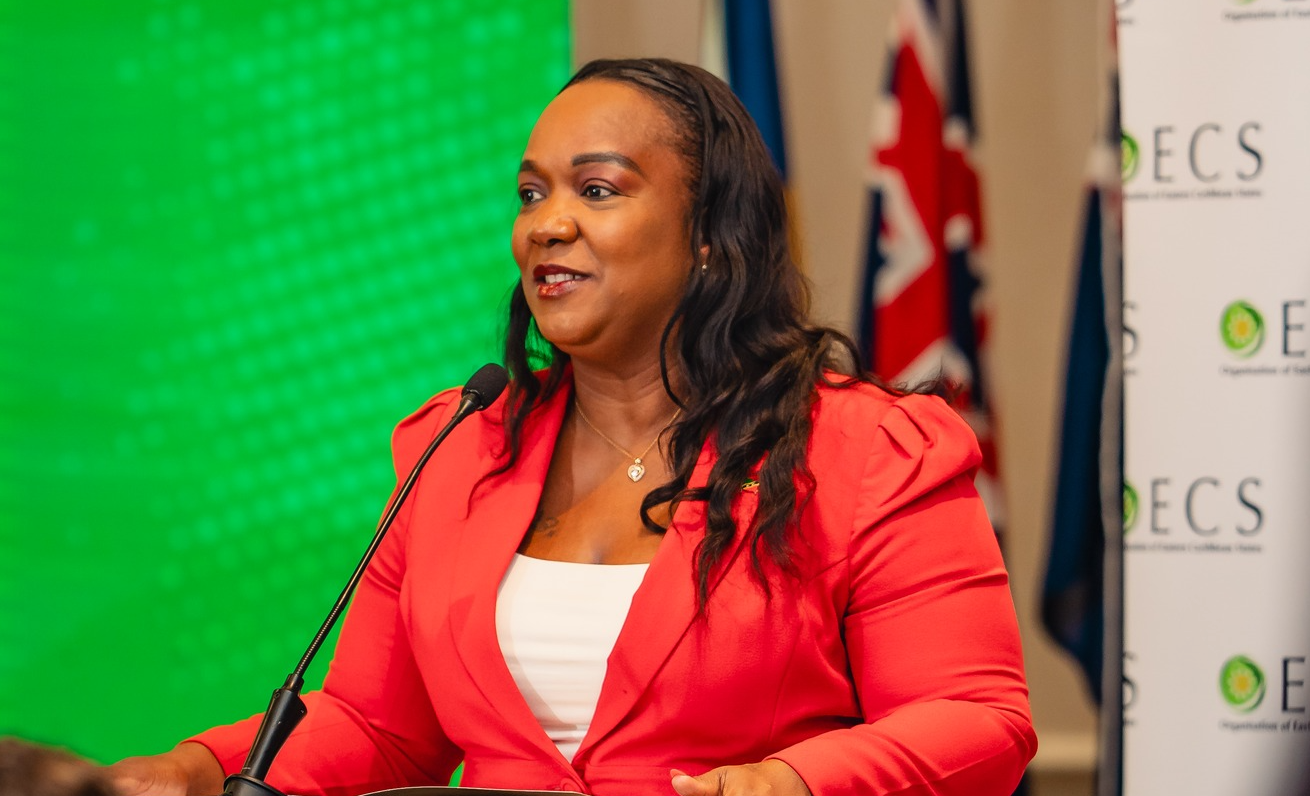
Basseterre, Saint Kitts, February 11, 2026 (SKNIS): The Honourable Marsha T. Henderson, Minister of Tourism for Saint Kitts and Nevis, officially assumed the chairmanship of the Organisation of Eastern Caribbean States (OECS) Council of Ministers: Tourism during the opening ceremony of the Council’s 9th Meeting, being held in Saint Kitts from February 11–12, 2026.
In her opening address earlier today, Minister Henderson emphasised that tourism today transcends being merely a sector of economic activity, and has now become the pulse of national economies across the OECS. She underscored that tourism remains the region’s most significant export, directly influencing employment, foreign exchange earnings, infrastructure development, and community livelihoods.
“No single member state can afford to operate in isolation,” Minister Henderson stated. “Our competitiveness, our resilience, and our relevance will increasingly depend on how well we function as a region.”
Speaking to the theme of regional integration, Minister Henderson urged OECS member states to move beyond traditional, siloed approaches to hospitality and embrace a coordinated, data-driven regional tourism industry — one that is “integrated by design, resilient by strategy, and capable of withstanding the volatility of the global market.”
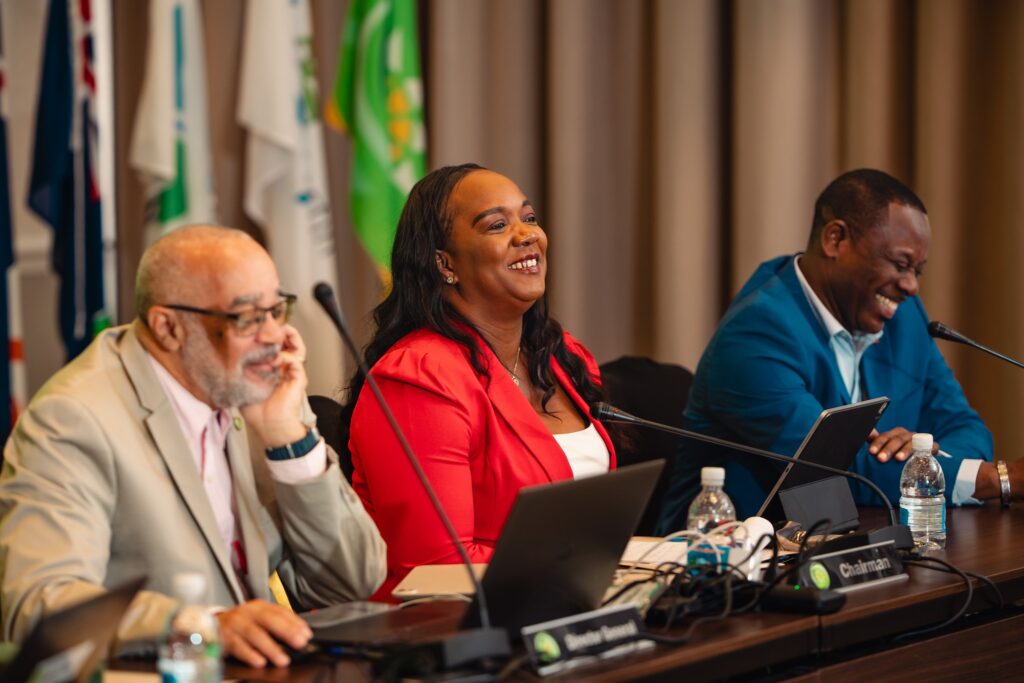
Minister Henderson expressed appreciation to the outgoing chair, the Honourable Adrian Thomas, Minister of Tourism for Grenada, for his steady and thoughtful leadership. She pledged to build on the momentum established under his stewardship, ensuring that “the torch passed today continues to illuminate a path toward deeper integration and a more cohesive OECS tourism product.”
The minister outlined a rigorous two-day agenda focused on key priorities requiring collective regional action, including enhancing intra-regional connectivity to ensure that the OECS functions as a truly connected and accessible space for both regional and international travelers; harmonising investment and sustainability standards to attract responsible investment that protects environmental assets, strengthens communities, and drives equitable growth; and leveraging shared data and market intelligence to anticipate global tourism trends and position the OECS as a proactive leader in the global tourism landscape.
“These are not abstract ambitions,” Minister Henderson said. “They are practical steps toward a more efficient, competitive, and resilient tourism ecosystem — one that benefits every single member state while preserving our individual identities.”
The OECS Council of Ministers: Tourism, serves as the principal body guiding the region’s collective tourism strategy, with a strong focus on sustainability, connectivity, and competitiveness.
-30-